

In a world where construction extends beyond mere structural integrity to encompass sustainability, aesthetics, and innovation, ESG (Environmental, Social, and Governance) has become paramount in high-rise development. This is especially true within the construction industry, where Schimmer Metal Standard Co., Ltd. operates. Embracing ESG not only mitigates environmental impact but also enhances social value and elevates sustainable corporate governance. This article delves into why ESG is a crucial factor transforming high-rise design and construction in the coming decade.
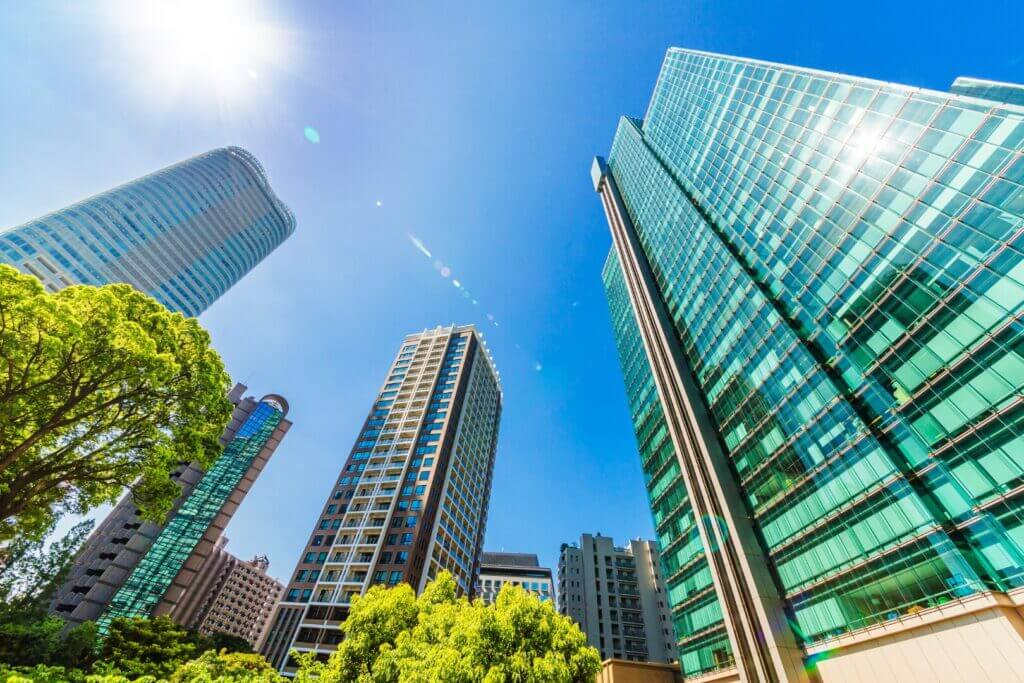
Why is ESG Important for Current High-Rise Construction?
As a leader in materials and solutions for high-rise buildings with over 30 years of experience, Schimmer Metal Standard Co., Ltd. recognizes the direct impact of ESG on construction projects, as follows:
- Minimizing Environmental Impact: High-rise buildings consume vast resources and energy. Implementing ESG principles allows for the design and construction of energy-efficient buildings that reduce greenhouse gas emissions, minimize waste, and manage water resources effectively. Schimmer Metal prioritizes offering the highest selection of sustainable and environmentally friendly building materials.
- Social Responsibility: Construction should consider its impact on surrounding communities, including job creation, promoting the health and safety of workers and residents, and designing accessible spaces for all. We believe that using standard-compliant materials enhances safety and quality of life.
- Elevating Governance: Transparent and ethical operations build trust with investors, customers, and partners. Schimmer Metal Standard Co., Ltd. adheres to good governance principles, considers risks, complies with regulations, and consistently reports on sustainability performance.
Key Considerations for ESG-Compliant High-Rise Construction
To ensure your high-rise building is fully ESG-compliant, here are essential points to understand and consider:
- Green Building Standards: Comprehend and adhere to international standards such as LEED, WELL Building Standard, EDGE, or Thai standards like TREES. These frameworks assist in making your high-rise construction environmentally friendly and significantly improving the quality of life for building occupants.
- Sustainable Building Materials: The selection of recycled materials, locally produced materials, low-energy production materials, and materials that are harmless to occupants’ health and the environment is paramount. Schimmer Metal is committed to sourcing high-quality building materials that meet these ESG requirements.
- Energy Efficiency: Design buildings to maximize energy reduction, for instance, by utilizing high-performance glass, thermal insulation systems, smart air conditioning and lighting systems, and installing solar panels.
- Sustainable Water Management: Consider wastewater treatment systems, water recycling (e.g., greywater from building use), and the use of water-saving fixtures.
- Health and Well-being: Design spaces that promote the physical and mental health of users, such as ensuring ample natural light, good indoor air quality, allocating green spaces, and encouraging eco-friendly transportation.
- Stakeholder Engagement: Solicit feedback from communities, designers, contractors, and users to ensure the building meets the needs of all involved parties.
Which Building Types Should Prioritize ESG?
While all buildings should consider ESG, for the following project types, prioritizing ESG will generate added value and meet the demands of the current high-rise market:
- Large Office and Commercial Buildings: To attract leading companies that prioritize sustainability and employee well-being.
- Residential Condominiums: To meet the demands of modern residents who care about the environment and a better quality of life.
- Hotels and Resorts: To create a unique selling proposition and attract tourists seeking sustainable travel experiences.
- Hospitals and Healthcare Facilities: To create an environment conducive to patient recovery and staff well-being.
- Government Buildings and Educational Institutions: To serve as excellent examples in driving sustainable national development.
How Does ESG Transform High-Rise Design?
ESG has revolutionized the concept of high-rise design, shifting from a sole focus on aesthetics to integrated and sustainable design:
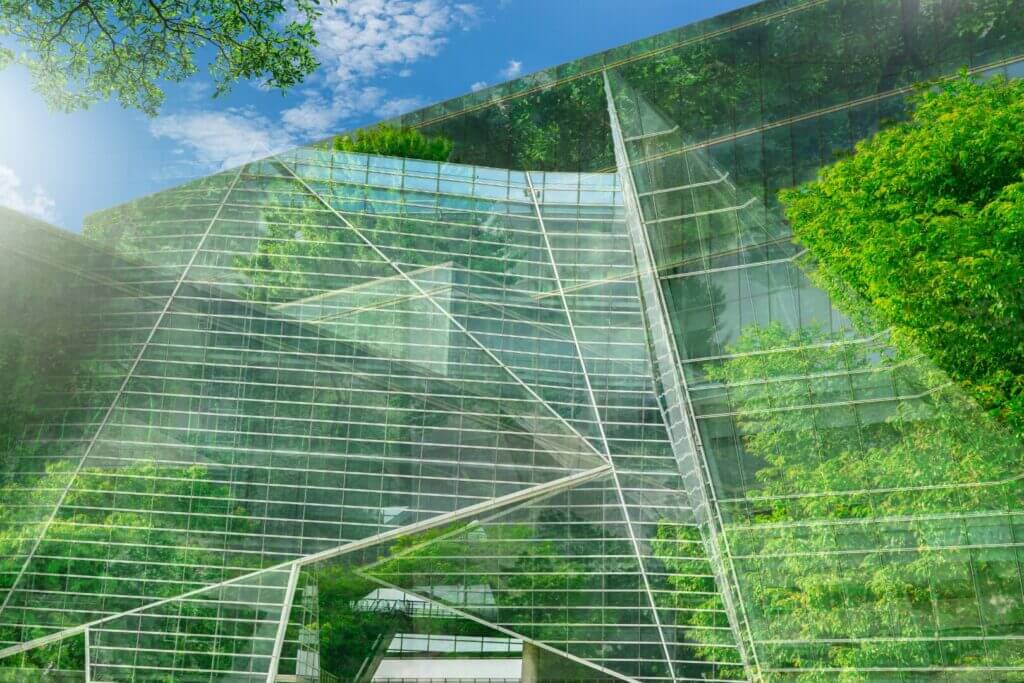
- Biophilic Design: Integrating nature into architecture, such as vertical gardens, green roofs, and increasing natural light, to foster relaxation and enhance well-being.
- Smart Energy Usage: Analyzing sun exposure, wind direction, and selecting appropriate materials to control indoor temperatures, thereby reducing reliance on air conditioning systems.
- Circular Resource Management: Designing systems to collect and treat wastewater for reuse, as well as systematic waste segregation.
- Future Flexibility: Designing buildings for easy adaptive reuse to extend their lifespan and reduce the need for demolition and new construction.
- Digital Technology for ESG: Utilizing BIM (Building Information Modeling) to analyze building performance or smart sensors to control and monitor energy and resource consumption.
Interested in ESG-Compliant Building Materials and Solutions for High-Rise Buildings?
Contact Schimmer Metal Standard Co., Ltd. today! We are ready to consult and offer quality products that meet your project’s sustainability needs.
See our portfolio: >> https://bit.ly/3NtUcfP Inquire about products >> https://lin.ee/BPXlolU E-Catalog >> https://bit.ly/3JtGFDN
Contact us quickly through Social Channels: Website: www.schimmermetal.co.th Line: @schimmerthailand (https://lin.ee/BPXlolU) Instagram: schimmerthailand